
Aegina is the Saronic island that feels least like a tourist destination and most like a real Greek town. It is the closest island to Athens — about forty minutes by fast ferry from Piraeus — and the one where locals come for weekend escapes and quiet Sunday lunches.
Aegina works well as a day trip in a way that the more famous Cycladic islands simply do not. You can leave Athens at 09:00, walk a working harbor, visit one of Greece's best-preserved ancient temples, swim in clear water, eat a proper seafood lunch, and be back in Athens in time for dinner. That density of experience is unusual.
The harbor of Aegina town is wide, working, and unpolished in the best way. Fishing boats unload their morning catch directly onto the quay. Vendors sell pistachios, fresh sponges, and seasonal fruit from carts along the waterfront.
Morning is the best time to experience the harbor. By 11:00 the fish auction is over, but the café tables are full of locals reading newspapers, and the waterfront still has the working-port character that disappears as soon as the day-trip crowd arrives around noon.
Aegina’s pistachios are genuinely famous. The island’s volcanic soil produces pistachios with a flavor richer and more aromatic than any you will find elsewhere in Greece. Buy a bag of freshly roasted ones from the harbor — they are leagues ahead of the packaged versions.
A local note: Aegina's pistachio farmers are legally the only producers in Greece allowed to use the name 'Fistiki Aeginis' under EU protected-designation rules. Try to buy directly from a producer stall at the harbor rather than a souvenir shop — the taste difference between a freshly roasted pistachio and a packaged one is immediate.
The Temple of Aphaia is Aegina’s cultural highlight and one of the best-preserved ancient Greek temples anywhere. It sits on a pine-covered hill with panoramic views across the Saronic Gulf. On a clear day you can see both the Acropolis and the Temple of Poseidon at Cape Sounion.
The temple is actually part of a 'sacred triangle' with the Parthenon and the Temple of Poseidon at Sounion. The three sites form an almost perfect equilateral triangle on the map, and the theory among classical scholars is that the alignment was intentional — a deliberate spiritual geography across ancient Attica. Standing at Aphaia with a clear view of the other two points is one of those small experiences that makes the day memorable.
For swimming, skip the town beaches and head to Agia Marina on the east coast. The beach has fine sand, shallow entry for families, and tavernas with sun lounger service. Marathonas beach further south is quieter with better snorkeling.
Marathonas beach also has a good snorkeling reef just to the south of the main sandy area. It is less visited than Agia Marina because the approach is slightly rocky, but the underwater life is noticeably better. Bring a mask if you care about this.
Eating on Aegina revolves around fresh seafood. The harbor restaurants are acceptable, but the better meals are found one street back. Look for places where the menu is short and handwritten. Fried calamari, grilled sardines, and the local fish soup are reliable orders.
Two restaurants locals mention repeatedly sit slightly off the main harbor strip. Menus are short, service is unfussy, and the fish arrives having been caught that morning. Expect to pay €25-35 per person for a full meal with wine.
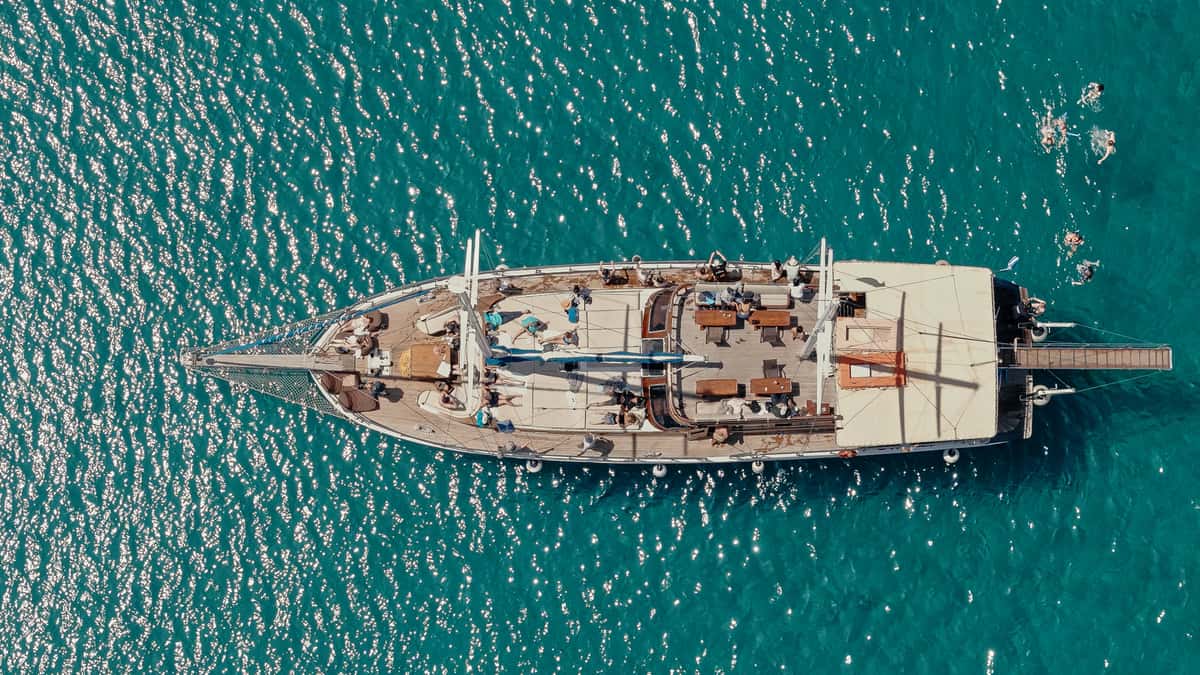
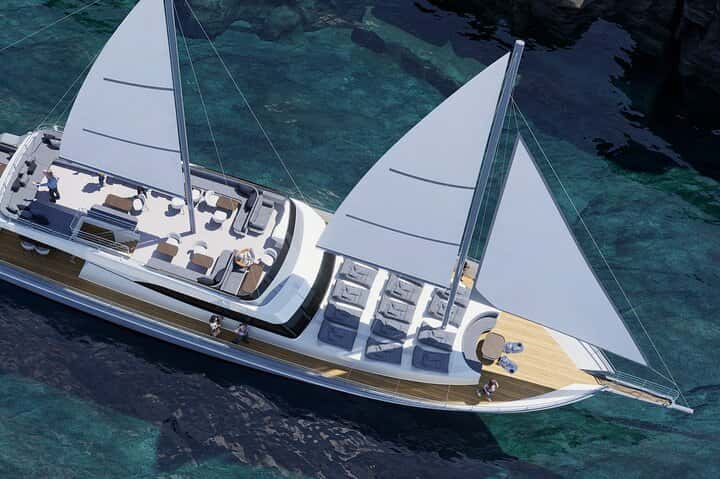
Getting to Aegina independently: fast ferries depart Piraeus every 1-2 hours and take forty minutes. But if your time is limited, a cruise that includes Aegina alongside Poros and Hydra gives you three islands in one day.
On a cruise, the Aegina stop is typically 1.5-2 hours — enough to walk the harbor, buy pistachios, and have a quick coffee.
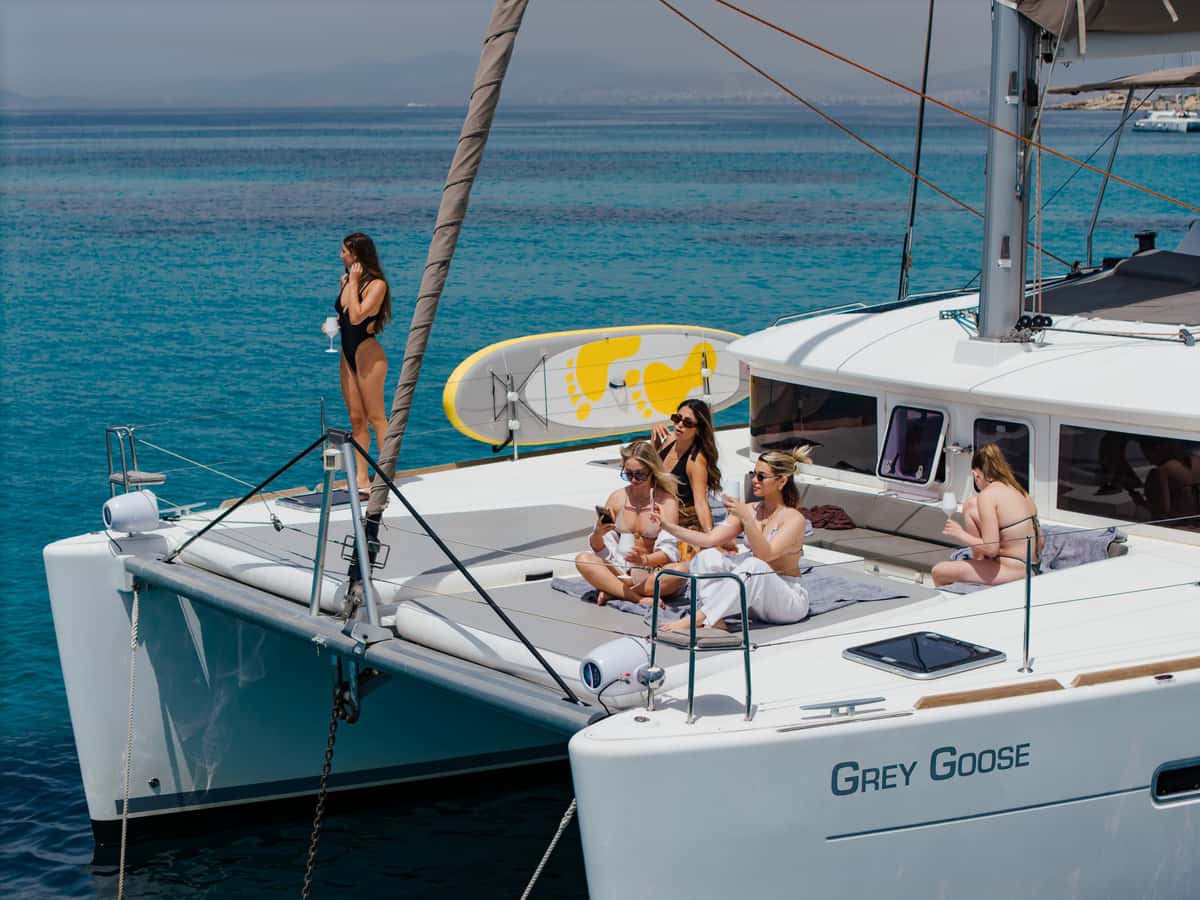
Here is the honest trade-off: a full independent day trip gives you more time on Aegina and more control over your schedule. A cruise gives you Aegina plus two other islands and a lunch aboard, with no logistics to manage. First-time visitors almost always prefer the cruise format because it collapses the decision-making. Return visitors often prefer the independent day to dig deeper into one island.
Best time for an Aegina day trip: September. The crowds have thinned, the water is warmest, and the pistachio harvest is in full swing.
One more tip: if you have children, Aegina is the best of the three Saronic islands for a family day. The beaches are gentle, the harbor is safe to explore, the pistachios are a novelty kids enjoy, and there are donkeys and horse-drawn carts around the harbor that turn the visit into a small adventure.
A final practical note on money. Aegina is slightly cheaper than Hydra and noticeably cheaper than the Cycladic islands for food and drinks. A meal that costs thirty-five euros per person on Hydra will typically run twenty-five on Aegina. If you are on a budget and choosing between day-trip options, this gap is worth factoring into the decision.
To combine Aegina with two more islands in one day, take the full-day cruise from Athens to Agistri, Moni and Aegina — lunch and swim stops included, from €134.